
Seeing and Being Believed
The Turn of the ScrewThis flow explores the Governess’s claims to sight, the limits of other characters’ testimony, and the instability of eyewitness authority.
increasing Bearing strength in each event
 decreasing
Bearing strength in each eventdecreasingThe Tower in the Dusk
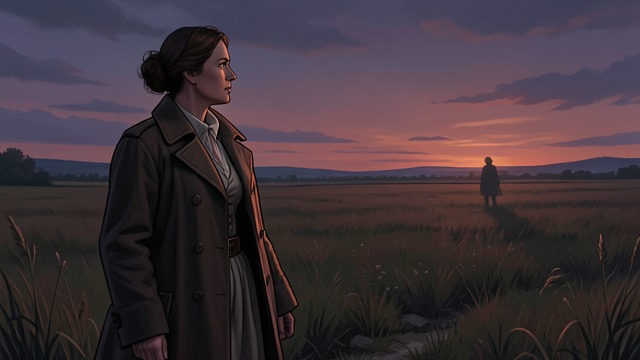
A Vision Without Witnesses
A Man on the Tower
The Governess sees a stranger high above the grounds and describes his posture and movements in detail.
No Corroboration
No one else is present to verify the encounter, and the figure disappears.
Her precision supports her confidence but cannot by itself settle what kind of event occurred.
Mrs. Grose Names Quint
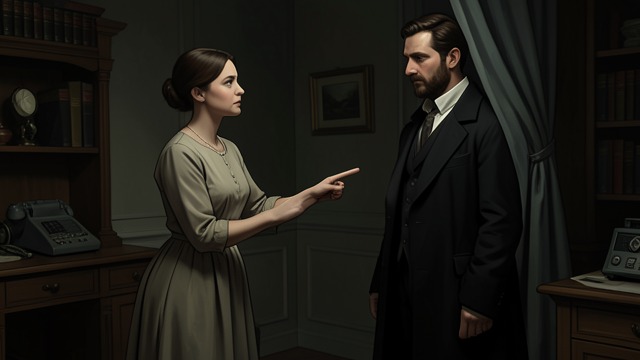
Recognition Through Description
The Governess Reports Details
The Governess describes the stranger’s face, clothing, and manner to Mrs. Grose.
A Past Identity Supplied
Mrs. Grose identifies him as Peter Quint, connecting the image to the history of Bly.
The recognition strengthens the Governess’s account, although it does not establish that Mrs. Grose sees a ghost herself.
Flora’s Denial
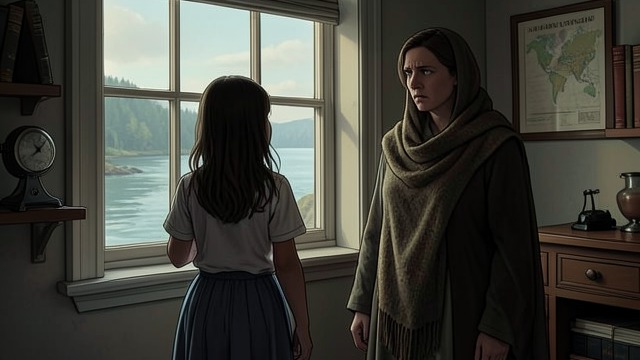
A Demand for Shared Sight
The Governess Points
She insists that Flora can see Miss Jessel standing across the water.
The Child Refuses
Flora says she sees nobody and accuses the Governess of cruelty.
Their disagreement leaves the same scene divided between a claimed apparition and an emphatic denial.
Mrs. Grose’s Blindness
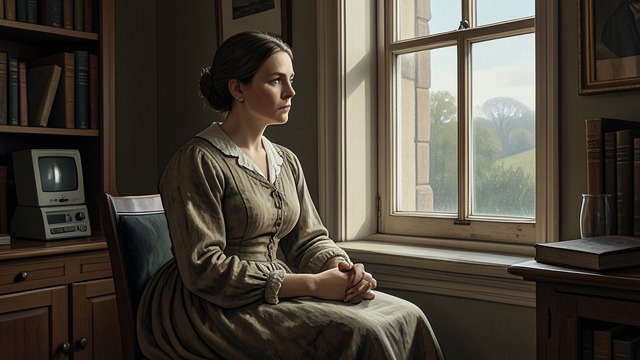
A Witness Who Cannot Confirm
The Housekeeper Looks
Mrs. Grose turns toward the place indicated by the Governess but reports seeing nothing.
Compassion Without Verification
She appears willing to support the Governess emotionally, yet cannot confirm the apparition.
Her response separates belief in her companion’s distress from direct testimony about what stands before them.
Miles Sees an Empty Room
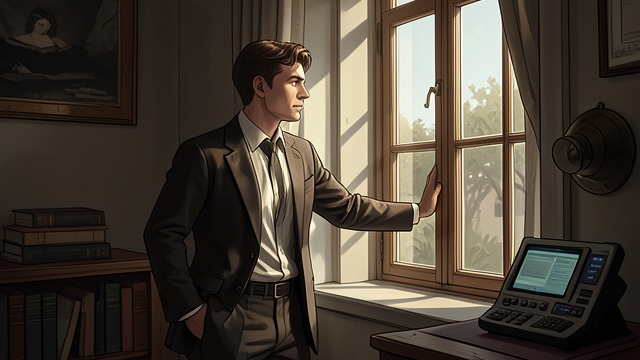
The Last Test of Sight
A Question at the Window
The Governess tells Miles that Peter Quint is there and asks him to recognize the figure.
A Different Perception
Miles looks around but sees only the quiet day before dying in her arms.
The final scene makes the gap between the Governess’s vision and another character’s perception inseparable from the tragedy.
Mid-June, during the Governess’s solitary hour
After the dining-room appearance
During the confrontation at the lake
Moments after Flora denies seeing Miss Jessel
At the final moment
